Choosing among the 2026 best swimming pool companies requires more than comparing glossy photographs and advertised prices. Global buyers need evidence about engineering quality, manufacturing experience, installation support, and long-term service. Grand View Research estimated the global swimming pool market at approximately USD 29 billion in 2023, with continued growth expected through 2030. That expansion creates opportunity, but also creates noise.
This guide examines manufacturers, designers, contractors, and technology suppliers serving international customers. It considers material durability, filtration efficiency, energy use, automation, warranty clarity, export experience, and after-sales response. Readers may begin with a search such as “swimming pool com,” but a short search phrase cannot verify a company’s factory, certifications, or project history. Real evidence matters. Look for completed pools, technical drawings, maintenance procedures, and references from comparable climates.
The Pool & Hot Tub Alliance regularly highlights labor, maintenance, safety, and operational challenges across the industry. Meanwhile, energy agencies continue encouraging efficient pumps, covers, and heating systems. These details affect ownership costs more than a discounted quotation. A pool installed beside a humid coast faces different risks from one built in a dry inland region. No ranking is perfectly universal. A respected company in Spain may not suit a buyer in Southeast Asia or North America. This review therefore treats company selection as a practical risk assessment, not a popularity contest. Some data remains self-reported, and that limitation deserves attention. A beautiful showroom can still hide weak support. Reliable decisions require careful questions, independent verification, and realistic expectations about delivery, installation, and maintenance.
A leading global swimming pool company combines field experience with disciplined engineering. Its teams understand different climates, building codes, soil conditions, and water treatment expectations. They should explain circulation rates, filtration capacity, pool structure, and maintenance needs in plain language. Vague promises are not enough.
Look for documented testing, qualified technicians, and responsive after-sales support. Reliable companies provide drawings, material specifications, installation guidance, and clear warranty terms. They also adapt designs for hotels, private homes, sports facilities, and compact urban spaces. Energy efficiency matters. Variable-speed pumps, insulated systems, and smart monitoring can reduce operating costs without weakening water quality. Small details matter too. A service panel must remain reachable. Drainage should handle heavy rain. Surfaces should stay safe when wet.
No supplier gets every project right. That deserves honest discussion. A dependable company records mistakes, explains corrective actions, and improves its process. Independent inspections can strengthen confidence, especially across borders. Buyers should request references from similar climates and project sizes. They should also verify local service capacity before signing. A polished showroom means little if replacement parts take months to arrive. The strongest global partners remain technically capable, transparent, and willing to question their own assumptions.
For global buyers, the best swimming pool companies offer more than attractive water features. They manage construction, design, and long-term maintenance as one connected service. Experienced teams inspect soil, access routes, climate, and local building requirements before preparing a quotation. This early assessment prevents expensive changes after excavation begins. It also reveals practical issues, such as poor drainage or limited equipment access. Small details matter.
Pool design should match the property, not only a photograph from a catalog. Professionals consider sunlight, wind direction, family use, water depth, safety zones, and available energy systems. Construction quality depends on accurate excavation, reinforced structures, reliable waterproofing, and carefully installed circulation equipment.
International buyers should request clear drawings, material specifications, project schedules, and inspection points. Vague promises create avoidable tension. A realistic provider explains what may change and why.
Maintenance services protect the investment after construction ends.
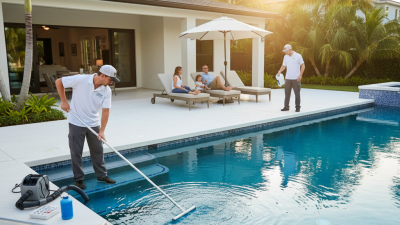
Regular water testing, filter cleaning, pump checks, surface inspections, and seasonal preparation keep the pool dependable. Remote owners may need scheduled visits and digital service reports with photographs. That arrangement is useful, but it is not perfect. Photos can miss a slow leak or unusual equipment noise. Local technicians still need authority to investigate problems quickly. Buyers should also confirm response times, replacement-part access, warranty limits, and staff qualifications before signing an agreement. A beautiful pool can still become a costly lesson without disciplined care.
International buyers should compare pool companies by evidence, not polished websites. Ask for business registration, relevant certifications, insurance, and completed projects in similar climates. A coastal installation faces different drainage and material challenges than a dry inland site. Request project photos, technical drawings, and two recent customer references.
Look beyond the advertised pool price. Compare excavation, filtration equipment, shipping, import handling, installation supervision, taxes, and maintenance training. Ask who handles damaged parts during transit. Clarify the warranty period, response time, and replacement process in writing.
A reliable supplier should explain water treatment, energy use, safety features, and local service requirements in plain language.
Small details reveal expertise. Does the quotation list concrete thickness, pump capacity, tile specifications, and delivery milestones? Can the company adapt designs to local weather and building conditions? Independent inspections may add cost, but they can protect a distant buyer from expensive mistakes. No checklist is perfect. A low quote may hide exclusions, while a premium quote may still lack dependable support. International buyers should compare documented performance, communication quality, and long-term service—not only the first invoice. Keep every revision, drawing, and payment condition organized. That record becomes valuable when expectations differ.
2026 Best Swimming Pool Companies for Global Buyers?
Global buyers should assess pool companies against regional standards, not glossy images. The World Health Organization reported about 236,000 annual drowning deaths in its 2024 drowning fact sheet. This makes depth transitions, secure covers, visible drains, and supervised access essential design decisions. For public facilities, EN 15288-1 addresses safety requirements for swimming pools, while the CDC’s 2024 Model Aquatic Health Code recommends documented water testing and operational controls. A reliable contractor should explain which standards apply locally.
Materials also reveal technical competence. Reinforced concrete needs verified structural calculations, waterproofing details, and compatible finishes. Pool membranes, sealants, and circulation components should match local water chemistry and climate exposure. Poorly selected metal fittings can corrode quickly in salt-rich or humid environments. Ask for test certificates, maintenance intervals, and replacement availability. Small details matter.
Technology should support safety, not replace trained staff. Automated dosing, variable-speed pumps, leak monitoring, and remote alarms can reduce operating risks and energy waste. However, sensors require calibration records and manual backup procedures. The U.S. CDC notes that drowning prevention depends on layered protection, including barriers, supervision, and emergency readiness. I would not accept “fully automatic” as a safety claim. Even strong specifications can miss wheelchair access, glare around the waterline, or confusing emergency signage. That gap deserves honest review.
A standards-based comparison framework for evaluating swimming pool suppliers, designers, installers, and equipment packages without relying on company or brand names.
| Evaluation Dimension | Global Standard or Reference | Core Requirement for Buyers | Preferred Materials or Technology | Verification Evidence | Priority |
|---|---|---|---|---|---|
| Public Pool Design | EN 15288-1 and EN 15288-2 | Public swimming pools should be designed, managed, and operated with documented provisions for user safety, circulation, access, supervision, and maintenance. | Engineered circulation systems, non-slip wet-area finishes, accessible routes, compliant pool access points, and clearly defined plant-room layouts. | Design drawings, risk assessment, operating procedures, maintenance schedule, and local authority approval where required. | Critical |
| Residential Pool Construction | ANSI/APSP/ICC-5 and applicable local building codes | Residential in-ground pools should meet structural, dimensional, barrier, drainage, and equipment requirements applicable in the installation jurisdiction. | Reinforced concrete, engineered steel, fiberglass composite, or other materials supported by structural calculations and local approvals. | Stamped structural calculations, construction method statement, inspection records, and final completion documentation. | Critical |
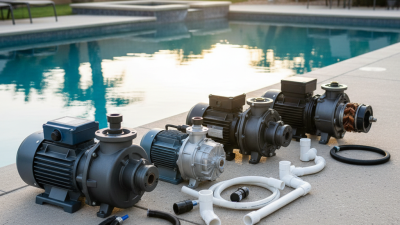
| Pool Circulation Equipment | EN 16713 and applicable national pool-equipment rules | Domestic pool water systems should provide suitable filtration, circulation, hydraulic balancing, and maintainable equipment access. | Variable-speed pumps, correctly sized filters, corrosion-resistant pipework, flow meters, isolation valves, and accessible service connections. | Hydraulic calculations, pump and filter specifications, flow-rate records, pressure-test reports, and commissioning data. | Critical |
| Electrical Safety | IEC 60364-7-702 | Electrical installations near swimming pools must address special zones, protection against electric shock, bonding, earthing, and residual-current protection. | RCD or GFCI protection where required, equipotential bonding, water-resistant enclosures, suitable cable routing, and correctly rated equipment. | Electrical inspection certificate, circuit diagrams, insulation and earth-continuity test results, and local licensed-electrician confirmation. | Critical |
| Pool Equipment Safety | EN 13451 series | Pool fittings and equipment should minimize entrapment, impact, sharp-edge, slip, and mechanical hazards during normal use. | Anti-entrapment suction outlets, secure grilles, rounded edges, stable handrails, slip-resistant steps, and protected moving components. | Product conformity documents, installation instructions, flow-rate limits, inspection records, and equipment maintenance logs. | Critical |
| Water Quality Management | WHO Guidelines for Safe Recreational Water Environments and local health regulations | Water treatment must control microbial risks while maintaining pH, disinfectant residual, clarity, temperature, and safe operating conditions. | Automatic dosing, pH control, filtration, circulation monitoring, ultraviolet treatment as a supplementary process, and calibrated testing instruments. | Water-testing records, calibration certificates, chemical-management procedures, dosing settings, and corrective-action logs. | Critical |
| Structural Waterproofing | Project-specific structural design and local construction regulations | The pool shell must be designed for soil conditions, groundwater, hydrostatic pressure, thermal movement, and long-term water tightness. | Reinforced concrete with engineered waterproofing, fiberglass composite shells, compatible membranes, movement joints, and properly detailed penetrations. | Geotechnical information, structural calculations, concrete specifications, waterproofing warranty, and pressure or leak-test records. | Critical |
| Surface and Interior Finishes | Local slip-resistance, accessibility, and construction requirements | Wet-area surfaces should be durable, cleanable, compatible with pool chemicals, and appropriately slip-resistant for their intended location. | Porcelain or ceramic pool tiles, glass mosaic, reinforced PVC membrane, quartz aggregate, or compatible high-performance coatings. | Technical data sheets, chemical-resistance information, slip-resistance classification where applicable, installation method, and maintenance instructions. | High |
| Pool Heating and Energy Efficiency | Local energy codes and applicable IEC or regional equipment standards | Heating equipment should be correctly sized, protected, serviceable, and selected according to climate, pool volume, cover use, and operating schedule. | Heat pumps, solar thermal support, efficient boilers where permitted, insulated pipework, automated temperature control, and thermal pool covers. | Heat-loss calculation, coefficient-of-performance data for heat pumps, energy-consumption estimate, commissioning report, and control settings. | High |
| Automation and Monitoring | Applicable electrical, cybersecurity, and data-protection requirements | Automation should improve dosing accuracy, equipment monitoring, fault detection, and maintenance without removing the need for human safety checks. | Remote monitoring, flow and pressure sensors, automatic pH and disinfectant control, leak detection, alarm notifications, and manual override functions. | Control-system documentation, sensor calibration records, alarm test reports, user-access controls, and backup operating procedures. | High |
| Accessibility and Inclusive Use | Local accessibility codes and EN 17210 principles where applicable | Facilities should provide safe and practical access for people with reduced mobility, considering routes, changing areas, pool entry, and emergency assistance. | Ramps, accessible steps, handrails, transfer systems, level-access routes, contrasting edge markings, and suitable changing facilities. | Accessibility review, dimensional drawings, equipment operating instructions, user trials, and local compliance inspection. | High |
| Chemical Storage and Handling | Local occupational health, hazardous-substance, and fire-safety regulations | Disinfectants, acids, and other treatment chemicals must be stored, labelled, ventilated, separated where required, and handled under documented procedures. | Separate chemical storage, secondary containment, mechanical ventilation, dosing interlocks, personal protective equipment, and emergency eyewash facilities. | Safety Data Sheets, chemical inventory, staff training records, ventilation inspection, spill-response plan, and storage-area inspection log. | Critical |
| Fire and Emergency Preparedness | Local fire codes, emergency-planning rules, and public-pool operating requirements | Pool facilities should have visible emergency equipment, evacuation routes, rescue equipment, first-aid provisions, and documented response procedures. | Rescue poles, reaching devices, first-aid kits, emergency communication, illuminated exit signage, water-depth markings, and unobstructed access routes. | Emergency plan, staff training records, rescue-equipment inspection checklist, evacuation drill records, and incident-reporting procedure. | Critical |
| Environmental Performance | Local water, energy, drainage, and environmental regulations | Projects should manage water consumption, backwash discharge, chemical use, noise, heat loss, and construction waste in accordance with local requirements. | Variable-speed circulation, efficient filtration, rainwater-management features, pool covers, heat recovery where suitable, and recyclable construction materials. | Water and energy estimates, discharge approval, waste-management records, equipment efficiency data, and operating-cost forecast. | High |
| Quality Assurance and Warranty | ISO 9001-based quality processes or equivalent documented controls | The supplier should demonstrate controlled design, procurement, installation, testing, handover, defect correction, and after-sales support processes. | Documented inspection and test plans, traceable materials, standardized commissioning procedures, digital asset records, and preventive-maintenance schedules. | Project quality plan, material certificates, inspection reports, commissioning checklist, warranty terms, spare-parts plan, and service response commitments. | High |
Note: Standards and legal requirements vary by country, project type, and pool classification. Buyers should confirm the current edition of each applicable standard and obtain approval from the relevant local authorities before construction or operation.
Contracts should define more than pool size and finish. Specify drawings, structural calculations, testing standards, payment stages, warranty scope, and cancellation terms. Incoterms 2020 should identify who pays freight, insurance, customs clearance, unloading, and local taxes. A low quote can still be incomplete.
Cost planning needs three layers: equipment, delivery, and site work. The Pool & Hot Tub Alliance reports that the U.S. pool and spa sector creates over $52 billion in annual economic impact. This shows the industry’s scale, but not your final invoice. Ask for separate pricing for excavation, drainage, electrical work, lifting equipment, permits, and landscaping. Keep a 10–15% contingency. Ground conditions often surprise buyers.
Shipping is not simply “door to door.” UNCTAD’s Review of Maritime Transport 2024 states that over 80% of global merchandise trade by volume moves by sea. Request crate dimensions, gross weight, loading photos, tracking details, and damage procedures before payment. Installation should include a named supervisor, local compliance checks, water-pressure testing, and written handover records. After-sales support must state response times, spare-parts availability, remote troubleshooting, and who pays for replacement shipping. Seven-day replies are not support. They are delays. A common mistake is trusting polished renderings over technical documents. I would question that choice, even when the pool looks perfect.