
How to Choose a Filter Dryer for Compressor in 2026?

Choosing a Filter Dryer For Compressor in 2026 is no longer a minor maintenance decision. It affects moisture control, refrigerant cleanliness, pressure stability, and compressor life.

The U.S. Department of Energy’s Compressed Air Sourcebook reports that compressed-air systems can consume about 10% of industrial electricity. It also notes that poorly controlled leaks may waste 20% to 30% of compressor output. These figures do not measure filter-dryer performance directly. Still, they show why small pressure losses deserve attention. A blocked core can force a compressor to work harder. A saturated desiccant cannot protect the circuit.

ISO 8573-1 classifies compressed-air contaminants, including particles, water, and oil. AHRI Standard 740 also provides methods for evaluating refrigerant recovery equipment and related performance. These references help buyers compare products beyond attractive catalog claims. As Danfoss refrigeration expert Lars Brøndum explains, “A filter-drier should protect the system without becoming the system’s hidden restriction.” That principle is easy to overlook.

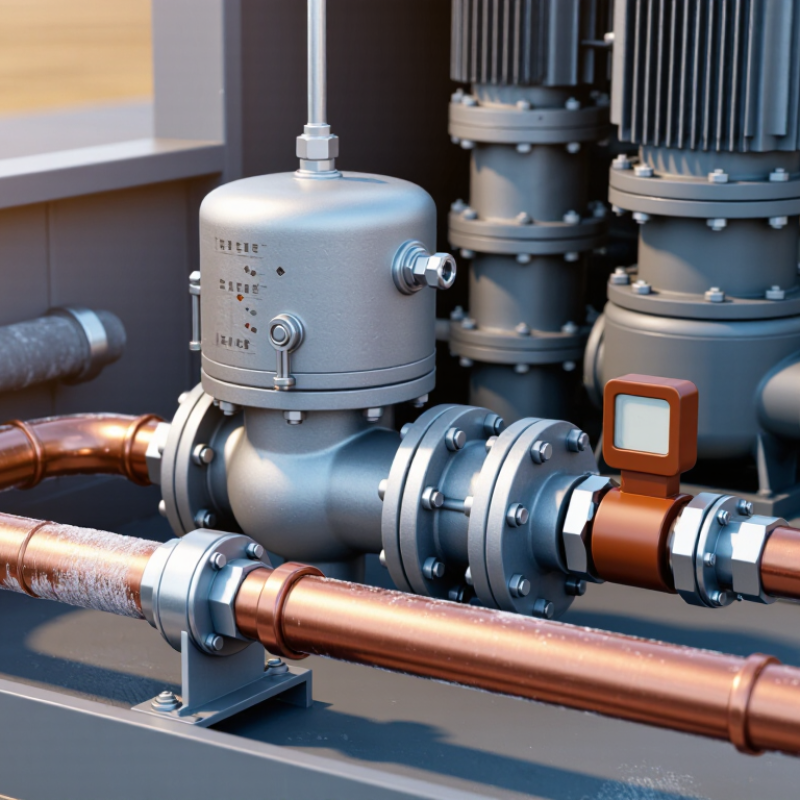
Look inside the cabinet. Imagine a cold copper line, a brown moisture indicator, and a compressor starting repeatedly during a hot afternoon. The wrong capacity can create that scene. I may be overly cautious, but selecting only by connection size is a weak shortcut. Engineers should check refrigerant compatibility, flow rate, pressure drop, water capacity, acid capacity, replacement access, and operating temperature.

This guide examines those choices for 2026. It also questions one common assumption: the largest filter dryer is not always the safest option. Performance depends on the complete system.
How to Choose a Filter Dryer for Compressor in 2026?

What Is a Filter Dryer and Why Does a Compressor Need One?

A filter dryer is a small component installed in a refrigeration system, usually in the liquid line. It combines a filter with a desiccant core. The filter captures metal particles, solder fragments, and other debris. The desiccant absorbs moisture that may enter during installation, servicing, or leakage.

A compressor needs this protection because moisture can freeze near an expansion device and restrict refrigerant flow. It can also react with refrigerant and oil, creating acids that damage motor windings, bearings, and internal surfaces. Debris may block narrow passages or wear valves. Small contamination can become an expensive failure.

Choose a filter dryer according to refrigerant compatibility, oil type, system capacity, working pressure, and connection size. Pressure drop matters too. A unit that is too small may reduce cooling performance, while an oversized model is not automatically better.

I would also check the manufacturer’s moisture and contaminant capacity, not only the catalogue dimensions. That detail is easy to miss.

Keep the dryer sealed until installation. Replace it after a compressor burnout or major system opening, because the core may already be saturated. A clean installation still needs proper evacuation. The dryer cannot repair poor vacuum work. In practice, selection is partly technical and partly cautious; service conditions are often less perfect than design documents suggest.

How to Match Filter Dryer Capacity with Compressor Requirements

How to Choose a Filter Dryer for Compressor in 2026?

How to Match Filter Dryer Capacity with Compressor Requirements

Choosing a filter dryer begins with the compressor’s actual operating conditions. Pipe diameter alone is not enough. Check refrigerant type, mass flow, liquid temperature, pressure, and expected cooling capacity. A dryer must handle the required flow without creating excessive pressure drop. Even a small pressure loss can reduce system efficiency and disturb expansion valve performance.

Use the compressor data sheet and system design calculations together. Compressor displacement does not equal refrigerant flow. Calculate flow from cooling load, refrigerant properties, evaporation temperature, and condensation temperature. Then compare that value with the dryer’s rated capacity under matching conditions. Check the rating at the lowest expected temperature, not only at ideal laboratory conditions. The wrong reference point can produce a confident but inaccurate selection.

Moisture and acid capacity also matter after installation or component failure. A larger shell is not automatically better. Oversizing may increase cost, while undersizing can restrict flow and shorten service life. Select compatible connection sizes and confirm the maximum working pressure. In field maintenance, technicians sometimes choose by habit. That shortcut deserves review. Record pressure readings before and after replacement, then inspect the sight glass and operating temperatures. Real measurements may expose assumptions that looked correct on paper.

Which Refrigerant, Connection, and Pressure Ratings Should You Choose?

Choosing a filter dryer for a compressor starts with the refrigerant, not the pipe size. The refrigerant must match the dryer’s desiccant, seals, oil compatibility, and operating temperature. HFC and HFO systems may need different chemical resistance than systems using carbon dioxide. Confirm the approved refrigerant list and oil type from reliable technical documentation. Do not assume a familiar dryer will work everywhere. That assumption can become expensive.

Connection style matters during installation. Select a size that matches the liquid line without creating a sudden restriction. Sweat connections are compact and reliable when cleaned, fitted, and brazed correctly. Flare or threaded connections can simplify replacement, but poor alignment may cause leaks. I would inspect the joint after evacuation, not only after pressure testing. Small contamination often hides inside a fitting. It is easy to overlook.

Pressure ratings require careful reading. Compare the dryer’s maximum working pressure with the system’s high-side pressure, including shutdown and ambient-temperature conditions. Carbon dioxide systems usually demand much higher ratings than conventional systems. Check both pressure and temperature limits. A burst rating is not a suitable operating rating. Use the lower limit when uncertainty exists. In practice, technicians should verify local requirements, pressure-test procedures, and the compressor manufacturer’s data. I once viewed pressure selection as a simple number-matching task. It is not. The weakest connection may decide the system’s real safety margin.

How to Compare Filtration, Moisture Control, and Installation Features

How to Choose a Filter Dryer for Compressor in 2026?

Choosing a compressor filter dryer starts with the air problem, not the product label. Check the required flow rate, working pressure, temperature range, and contaminant load. A fine filter may capture particles well but restrict airflow when clogged. Compare the stated micron rating with your actual operating conditions. Laboratory results can differ from workshop performance.

Moisture control needs equal attention. Look for a reliable water-separation method, drain design, and clear service indicators. In humid areas, automatic drains can reduce daily maintenance. Yet they still need inspection. A blocked drain can send water downstream, even when the filter element looks clean. I once focused too heavily on filtration and underestimated condensation during morning start-ups. That was a useful mistake.

Tips: Leave enough clearance for element replacement and drain access. Confirm port size and airflow direction before installation. Use pressure gauges before and after the dryer when possible. A growing pressure difference signals loading early. Keep a spare element nearby, but do not replace it only by calendar date. Record pressure, moisture, and service conditions. No checklist is perfect. Installation quality often matters as much as filtration performance. If the compressor runs continuously, compare pressure loss at peak demand, not during a quiet test.

How to Install, Maintain, and Replace a Compressor Filter Dryer

How to Choose a Filter Dryer for Compressor in 2026?

Choosing a compressor filter dryer starts with the refrigerant, oil type, system capacity, and connection size. The dryer must handle the system’s flow without creating excessive pressure loss. Check the arrow on its body. It must follow refrigerant flow.

Installation demands clean work. Disconnect electrical power and recover refrigerant with approved equipment. Never release refrigerant into the atmosphere. Cut the tubing cleanly, remove burrs, and keep the dryer sealed until fitting. During brazing, use a gentle nitrogen flow to reduce internal oxidation. Install it near the expansion device, where moisture control matters most. Keep flames away from nearby insulation and wiring. Small details matter.

Maintenance should include checking pressure drop, frost patterns, leaks, and unusual compressor noise. A sight glass can help, but it cannot prove that the dryer is healthy. Replace the dryer after major compressor failure, refrigerant contamination, or a long open-system repair. I once trusted a clean-looking sight glass too much. That was a poor assumption. Isolate the circuit, recover the charge, and replace the component with matching specifications. Then pressure-test with dry nitrogen, evacuate with a micron gauge, and confirm the vacuum holds. Recharge according to measured requirements, not guesswork. Recheck temperatures after several operating cycles. Fresh installations sometimes need another inspection.

How to Choose a Filter Dryer for a Compressor in 2026

Installation, Maintenance, and Replacement Guide

Use these practical field-screening bands as a starting point when evaluating pressure drop across a compressor filter dryer. A clean, correctly sized dryer normally produces a low pressure drop. Rising pressure drop indicates contamination, moisture, wax, or an undersized component. Always verify the final replacement decision against the equipment manufacturer’s specifications and the refrigerant system’s operating conditions.

Call (416) 661-5667