How to Choose the Right Pool Pumps for Your Swimming Pool?
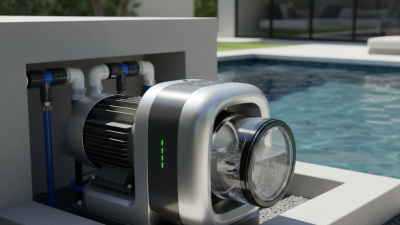
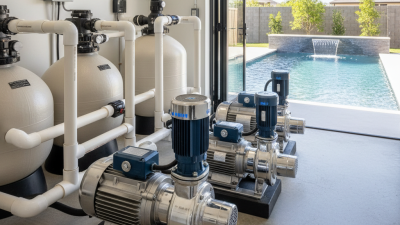
Choosing the right pool pumps is essential for maintaining a clean and efficient swimming pool. A suitable pump keeps the water circulating, removing debris and ensuring clarity. However, the selection process can be overwhelming due to various models and features available.
Every pool owner should consider several factors. First, the size of your pool matters. Larger pools require more powerful pumps. Efficiency is also crucial. Consider models with energy-saving features to reduce your utility bills. It is important to evaluate the specific needs of your pool and the area around it.
In this journey of selecting pool pumps, mistakes can happen. Some may choose a pump that is too weak, leading to stagnation. Others might pick an oversized pump, creating high energy costs. Take time to reflect on your options. Researching different brands, reading reviews, and asking for advice can lead to a better decision. Finding the right pool pump is not easy, but the benefits are worth the effort.
Factors to Consider When Selecting a Pool Pump
Choosing the right pool pump is essential for maintaining clean water. Several factors can influence your decision.
The size of your pool is certainly crucial. A larger pool may require a more powerful pump, while smaller pools can work well with less powerful options.
Evaluate your pool's volume in gallons to find the right match.
Another consideration is energy efficiency. Energy-efficient pumps can save you money in the long run. They often come with adjustable speed settings.
This feature allows you to run the pump at lower speeds for routine filtration. It’s tempting to choose the cheapest option, but this might lead to higher energy costs later.
Don’t overlook noise levels as well. Some pumps can be quite loud. A quiet pump can make your outdoor space more enjoyable.
Think about the location too. If your pump is near outdoor seating, you may want a quieter model. Reflect on the upkeep. Regular maintenance is vital, and certain pumps might require more care than others.
When making your choice, these factors can help you find a suitable pump for your needs.
Types of Pool Pumps and Their Applications
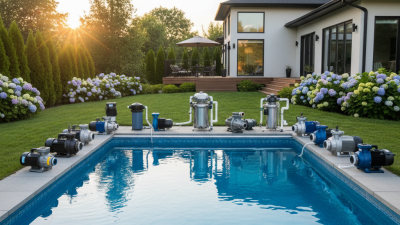
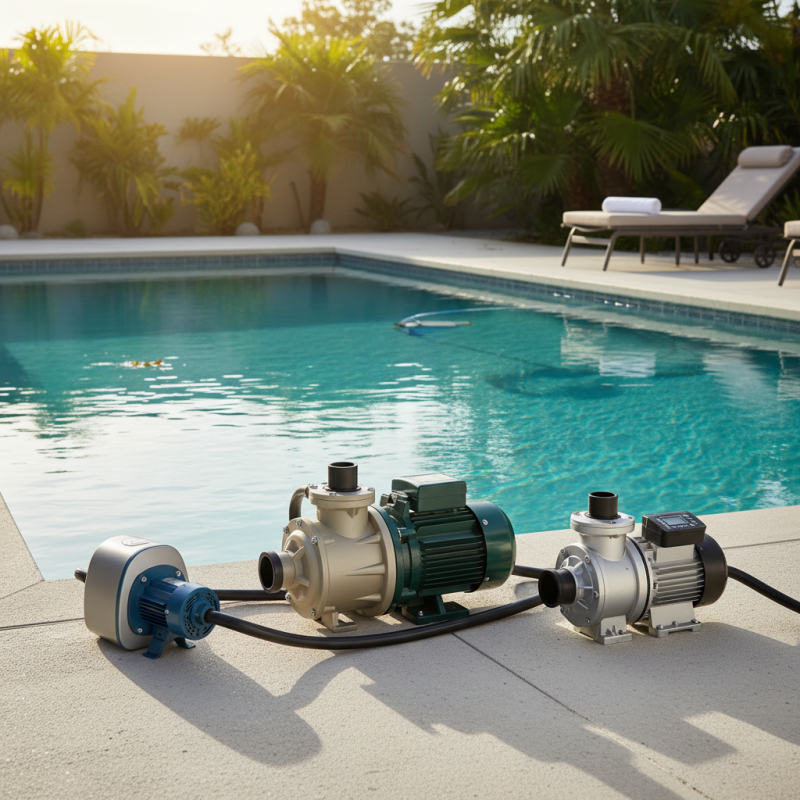
When selecting a pool pump, understanding the types available is essential. In-ground pool pumps are commonly used for their efficiency and power. They operate with a motor typically ranging from 0.5 HP to 3 HP. According to industry data, pools can lose about 1,000 gallons of water in a month due to inefficient pumps.
For above-ground pools, a smaller, energy-efficient pump is often sufficient. These pumps usually range from 0.25 HP to 1.5 HP. They are easier to install and maintain. It's worth noting that using the right size pump can save homeowners up to 30% on energy costs annually.
Tips: Always check the flow rate and head pressure before purchasing. A pump should ideally turn over the pool's water at least once every eight hours. Don’t underestimate the importance of a high-quality filter paired with your pump. A poor filter can negate the benefits of even the best pump.
Consider variable-speed pumps as well. They offer lower operational costs due to adjustable speeds. Industry reports suggest they can save up to 70% in energy consumption compared to single-speed pumps. Reflect on your pool's needs and usage frequency to make an informed decision. Efficiency may not be the only factor; consider your budget and maintenance capabilities too.
Understanding Pool Size and Flow Rate Requirements
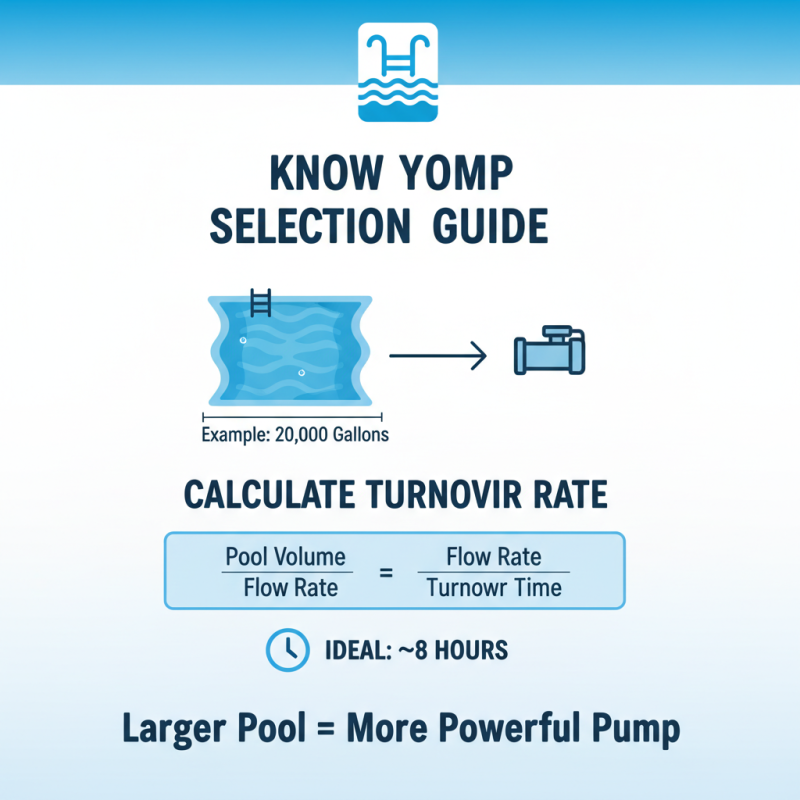
When selecting a pool pump, understanding your pool size is crucial. A larger pool requires a more powerful pump. If your pool is 20,000 gallons, you need a pump that can handle this volume efficiently. Calculate the turnover rate, which is the time it takes to filter the entire pool water. Ideally, this should be about 8 hours for optimal cleanliness.
Flow rate is another key factor. This rate is measured in gallons per minute (GPM). Consider the plumbing in your pool. Are the pipes large enough to support a high flow rate? Too much pressure can lead to leaks. Conversely, too little flow can result in algae buildup. You might face challenges finding the balance.
The right pump will keep your pool sparkling. However, if you select one that is too powerful, it might waste energy. A pump that is too weak can leave water murky. Always factor in the unique layout and features of your pool. Keep in mind, different situations may require different types of pumps. Don't hesitate to reevaluate your choices regularly.
Energy Efficiency and Cost-Effectiveness in Pool Pumps
Choosing the right pool pump can be challenging. A high-energy pump may seem efficient, but energy bills can be shocking. Look for pumps that offer variable speeds. These pumps adjust their speed for different tasks. They provide better energy efficiency, saving you money in the long run.
Energy efficiency is not just a buzzword. It’s a practical consideration. Calculate the energy costs based on your pump's horsepower. Sometimes, a lower horsepower pump is more effective for smaller pools. Larger pumps work harder, using more electricity.
Consider how often you use your pool. A pump that runs continuously might seem convenient. However, it can lead to inflated costs. Regular maintenance can improve efficiency as well. Clean filters and regular checks can prolong a pump’s life. Make wise decisions to enjoy a cost-effective pool experience.
Maintenance Tips for Optimal Pool Pump Performance
Regular maintenance is crucial for optimal pool pump performance. Start by checking the pump’s filter. A clogged filter restricts water flow and reduces efficiency. Clean or replace filters based on manufacturer's instructions. Generally, it is good practice to inspect the filter every month.
Additionally, ensure that the pump's strainer basket is free of debris. Leaves and dirt can accumulate quickly. A clean basket enhances the pump's ability to operate efficiently. Monitor the water level in your pool, as it should be at an appropriate level. Low water levels can lead to damage.
Listen for unusual noises coming from the pump. This can indicate a problem requiring attention. Vibration or loud sounds might signify that the pump is not working correctly. Do not ignore these signs. Monitor the pump’s performance regularly to catch issues early. Always document changes to assist in recognizing patterns over time.
Pool Pump Performance Analysis